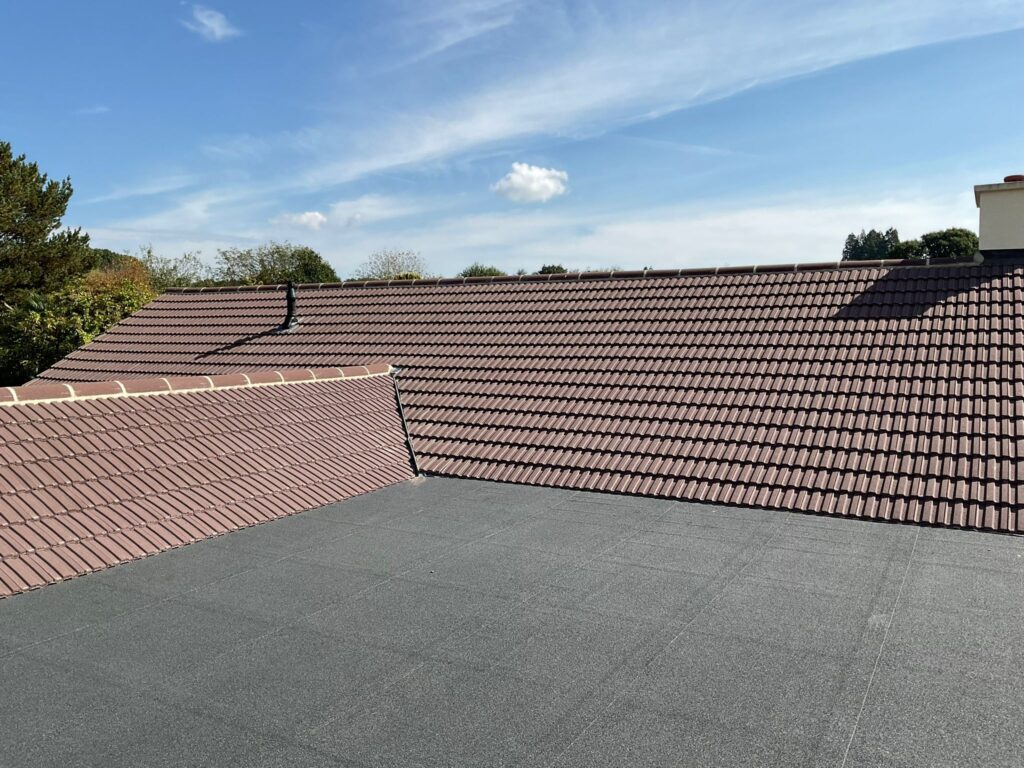
Roofing emergencies are often misunderstood. Many homeowners assume a problem only becomes urgent when water is visibly pouring into the property. In reality, some of the most serious roofing emergencies begin quietly and worsen rapidly if not addressed. Knowing what truly counts as an emergency can help homeowners in Feltham protect their property and avoid extensive damage.
At LS Roofing Feltham, emergency situations are defined by risk, exposure, and the potential for rapid deterioration rather than inconvenience alone.
When Immediate Action Is Essential
A roofing emergency is any situation where the roof can no longer reliably protect the property or where safety is compromised. These issues often worsen quickly, especially during poor weather conditions common throughout the year.
Emergency situations typically include:
- Sudden water ingress into the property
- Structural movement or collapse risk
- Roofing materials becoming loose or detached
- Significant storm damage exposing the roof interior
In these cases, delaying action can lead to damage spreading beyond the roof itself.
Active Leaks and Water Ingress
A leak that allows water into the building is one of the clearest signs of a roofing emergency. Even small amounts of water can travel unseen through roof structures before appearing inside, affecting insulation, timbers, and ceilings.
In Feltham homes, active leaks often worsen during periods of heavy rain or strong winds, making prompt attention essential to prevent further internal damage.
Storm and Wind Damage
High winds can dislodge tiles, ridge components, or flashing without warning. Once materials are loose, they pose two serious risks: exposure of the roof structure and danger to people or property below.
Storm-related roofing emergencies may involve:
- Missing or lifted tiles
- Sections of roofing hanging loose
- Debris falling from the roof
These situations should never be ignored, even if no internal damage is visible yet.
Structural Concerns and Roof Movement
Any visible sagging, cracking, or movement within the roof structure should be treated as an emergency. These signs suggest the roof may no longer be supporting weight evenly, increasing the risk of sudden failure.
Structural issues often develop quietly over time and can become critical without obvious warning signs, particularly in older properties.
Problems That Can Quickly Become Emergencies
Not every roofing issue starts as an emergency, but some can escalate rapidly if weather conditions change. What begins as a minor defect can quickly lead to water ingress or material failure.
Issues that require urgent assessment include:
- Severely damaged flashing
- Large areas of worn or broken tiles
- Roof sections affected by falling branches
Early professional intervention can prevent these from becoming full emergencies.
Why Waiting Is Risky
Roofing emergencies rarely resolve themselves. The longer a roof remains exposed or unstable, the greater the chance of widespread damage. Water penetration and structural strain often worsen faster than expected, especially during prolonged wet or windy conditions.
Prompt action helps:
- Contain damage to the roof area
- Protect the interior of the property
- Reduce disruption and long-term repair needs
Conclusion
A roofing emergency is defined by risk, not just discomfort. Active leaks, storm damage, loose materials, and structural concerns all require immediate attention to protect both the property and those inside it. Recognising these warning signs early is key to preventing serious and lasting damage.
For homeowners in Feltham, Greater London, LS Roofing Feltham provides professional roofing support focused on fast assessment, safety, and protecting your home when it matters most. Knowing what truly counts as a roofing emergency allows you to act decisively and safeguard your property before problems escalate.
Call us on: 020 4572 0290
Click here to find out more about LS Roofing Feltham
Click here to complete our contact form and see how we can help with your roofing needs.