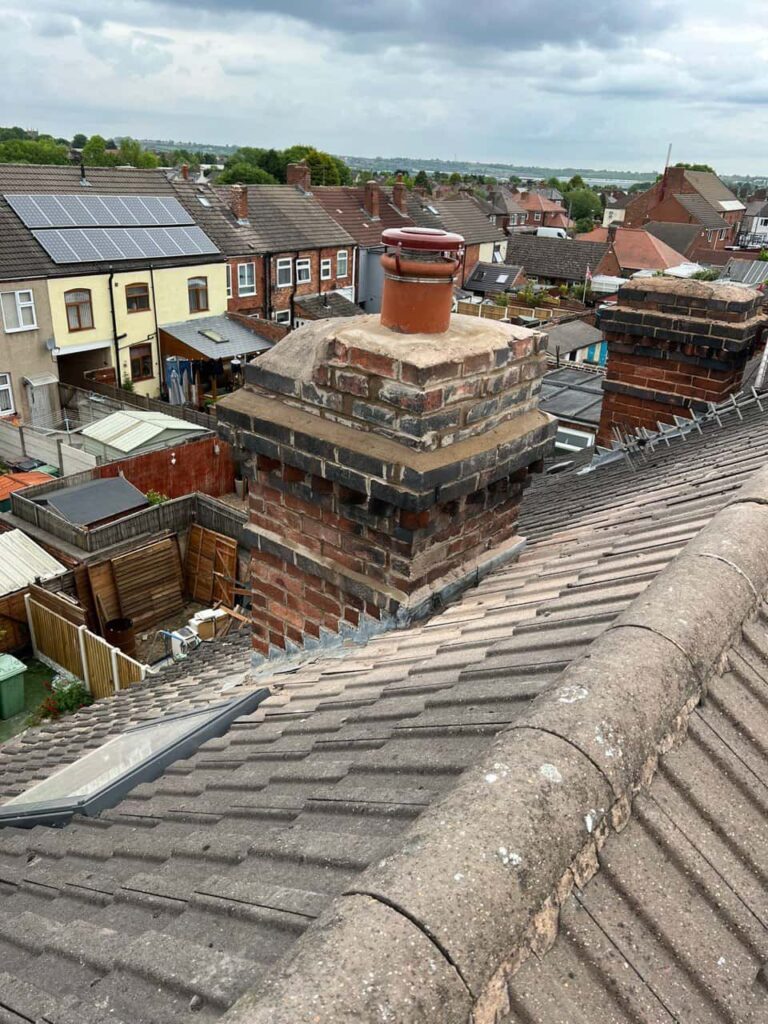
An occasional roof repair is a normal part of property maintenance. A tile may become damaged, flashing can deteriorate, or severe weather may expose a localised weakness. However, when roofing problems begin appearing noticeably more often, it is worth asking whether these are still isolated defects or signs that the roof itself is entering a period of wider deterioration.
For homeowners in Feltham, Greater London, an increase in repair frequency can provide useful information about the condition of a roofing system. Understanding why problems keep developing allows the underlying cause to be investigated rather than simply dealing with one defect after another.
Ageing Roofing Materials May Be Reaching a Similar Stage
Many of the components on a roof were installed at approximately the same time. This means they have also experienced years of similar exposure to rain, wind and changing temperatures.
As materials age, deterioration can begin affecting several areas within a relatively short period.
You may start noticing:
- Cracked or slipped tiles
- Deteriorating mortar
- Loose ridge details
- Problems around flashing
- Small leaks
- Increasing weathering across the covering
The first repair may appear isolated. When similar defects continue developing elsewhere, however, general ageing may be contributing to the pattern.
Previous Repairs May Still Be Sound
Frequent roofing problems do not necessarily mean that earlier repairs have failed.
A previous repair may still be performing perfectly while the older materials surrounding it begin to deteriorate. This is particularly common where individual sections have been repaired over many years.
Eventually, a roof can contain numerous sound repaired areas surrounded by original materials that are becoming increasingly vulnerable.
This distinction matters because repeatedly needing repairs is not always evidence of poor previous work. It may simply indicate that the remaining roof is ageing.
Weather Can Expose Existing Weaknesses
Strong winds and prolonged rainfall often reveal defects that were already developing.
A slightly loose tile may finally move during windy conditions. A weakened roof junction may begin leaking after sustained rain. Small cracks can also become more significant after repeated weather exposure.
If several repairs are required following periods of poor weather, the roof may have existing weaknesses that deserve a broader assessment.
Repeated Tile Problems Can Indicate Wider Deterioration
Replacing an individual broken tile is usually straightforward when the surrounding roof remains sound.
If tiles begin cracking, slipping or breaking regularly across different areas, the condition of the entire covering becomes more relevant.
Repeated failures can indicate:
- Ageing tiles
- Deteriorated fixings
- Movement within sections of the covering
- Problems with supporting battens
- General weathering
Simply replacing each damaged tile may resolve the immediate problem without explaining why failures are becoming increasingly common.
The Underlay May Also Be Ageing
Tiles and slates are only the visible part of a roof. Underneath them, roofing underlay provides an additional protective layer.
This material can deteriorate with age or become damaged following previous water ingress.
Because it is concealed, deterioration may not be obvious until other defects occur. If damaged tiles are accompanied by recurring leaks, the condition beneath the covering may need closer investigation.
Roof Battens and Fixings Can Become Part of the Problem
Roof coverings depend on suitable supporting components.
Battens and fixings help keep tiles positioned correctly. Where these components have deteriorated, sections of the covering may become less dependable even when individual tiles appear serviceable.
This can sometimes explain why replacing one slipped tile does not prevent similar problems developing nearby.
Professional assessment looks beyond the visible defect to determine whether the supporting materials are contributing to repeated failures.
Flashing Can Become Increasingly Vulnerable
Roof junctions require careful weatherproofing. Flashing is commonly used where the roof meets walls, chimneys or other features.
Over time, movement and weather exposure can cause these areas to deteriorate.
Where flashing problems begin occurring in several locations, simply repairing one visible weakness may not provide a complete picture of the roof’s condition.
A wider inspection can establish whether other junctions are approaching a similar stage.
Water Ingress Can Cause Secondary Problems
One reason repeated roof defects deserve attention is that moisture can affect more than the point where it initially enters.
Water may travel beneath the roof covering and reach:
- Battens
- Roof timbers
- Insulation
- Loft areas
- Ceilings
This can turn a relatively small external defect into a more extensive problem if it remains unresolved.
Prompt repairs are therefore important, but identifying why leaks are becoming more frequent is equally valuable.
Drainage Problems Can Accelerate Deterioration
Not every recurring roof problem begins with the tiles.
Gutters and other drainage components are responsible for moving rainwater away from the roof efficiently. Where they become blocked or ineffective, excessive water can remain around roof edges and vulnerable details.
Over time, this additional moisture exposure can contribute to deterioration around the roofline.
Keeping drainage systems functioning correctly is therefore an important part of preventative roof maintenance.
How Often Is Too Often for Roof Repairs?
There is no fixed number of repairs that automatically means a roof requires more extensive work.
The pattern is more important than the total.
One or two unrelated repairs over a long period may be entirely normal. Concerns increase when:
- New defects appear soon after previous repairs
- Different sections repeatedly require attention
- Leaks occur in multiple locations
- Large areas show visible deterioration
- Repairs are becoming progressively more extensive
At this point, inspecting the roof as a complete system can provide more useful information than continuing to consider each defect independently.
Does Frequent Repair Mean the Roof Needs Replacing?
Not necessarily.
A roof should not be replaced simply because it has required several repairs. If the majority of the roofing system remains serviceable and the new defect is localised, another targeted repair may still be entirely appropriate.
More extensive work becomes relevant when deterioration is widespread and the roof is losing its ability to provide consistent protection.
A professional assessment should therefore determine whether the roof can still be maintained effectively or whether its overall condition has changed.
Why a Whole-Roof Assessment Is Valuable
When repairs become more frequent, the latest defect should be considered alongside the wider roof.
A professional inspection can assess:
- Tiles or slates
- Ridge and verge details
- Flashing
- Previous repair areas
- Signs of water ingress
- Drainage
- Accessible underlying materials
- Overall roof condition
This makes it easier to identify patterns that may not be apparent when individual repairs are viewed separately.
The Value of Professional Roofing in Feltham
Repeated roofing problems require accurate diagnosis. Continually treating symptoms without understanding why they are developing can allow wider deterioration to remain unnoticed.
At LS Roofing Feltham, we provide professional roofing inspections and repairs throughout Feltham, Greater London. We assess both the immediate problem and the surrounding roofing system so that the work carried out reflects the actual condition of the roof.
Where a targeted repair remains suitable, preserving the existing roof can be the appropriate solution. Where defects are becoming widespread, a broader approach can be considered based on professional assessment rather than assumption.
Preventative Attention Can Reduce Future Problems
You do not necessarily need to wait until the next leak appears before having an ageing roof inspected.
If repairs have started becoming noticeably more frequent, a proactive assessment can identify vulnerable areas before they develop into obvious failures.
Addressing deterioration at the right stage can help protect surrounding roofing components and maintain dependable performance for as long as the existing roof remains serviceable.
Conclusion
If your roof has started needing repairs more often, it may be signalling a change in its overall condition. Ageing materials, weather exposure, deteriorating underlay, weakened fixings, vulnerable flashing and drainage issues can all contribute to a pattern of repeated defects.
This does not automatically mean the entire roof needs replacing. The important distinction is whether each problem remains genuinely isolated or whether multiple failures are being caused by broader deterioration.
For homeowners in Feltham, Greater London, LS Roofing Feltham can professionally assess recurring roofing problems and identify what is causing them. If you are finding that one roof repair increasingly seems to be followed by another, arranging a whole-roof inspection can provide a clearer understanding of what your roof now needs and help prevent developing defects from becoming more extensive.
Call us on: 020 4572 0290
Click here to find out more about LS Roofing Feltham
Click here to complete our contact form and see how we can help with your roofing needs.